
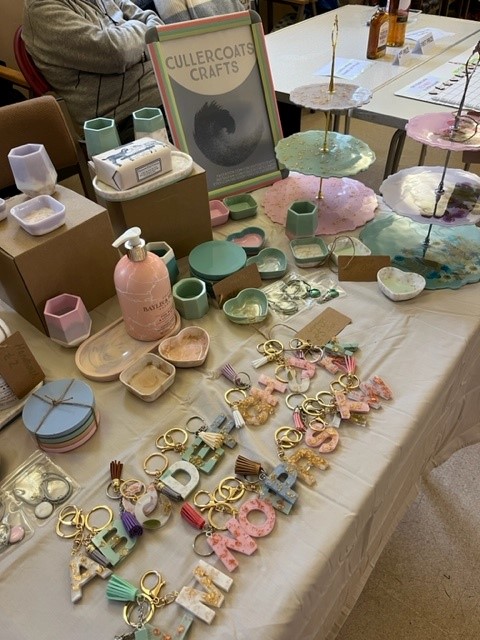
If you’re thinking about turning your resin hobby into a small business, you may be wondering:
Do I need insurance to sell resin crafts in the UK?
The short answer is not necessarily. There isn’t a general rule saying that every person selling handmade resin crafts must have insurance.
However, once you start selling resin products to customers, you take on responsibilities as a business and public liability and product liability insurance are strongly worth considering.
If you employ anyone, the situation is different. Employers’ Liability Insurance is generally a legal requirement for businesses with employees. (GOV.UK)
There are also product-safety responsibilities that apply to businesses making and selling consumer products in the UK.
So, before you start selling your beautiful resin creations, it’s worth understanding what insurance you may need.
Is Insurance Legally Required to Sell Resin Crafts?
For most small resin businesses where you are the only person working in the business, there isn’t a blanket legal requirement to have public liability or product liability insurance simply because you’re selling handmade products.
However, that doesn’t mean you have no legal responsibilities.
UK businesses that make, import, distribute or sell consumer products need to understand and comply with the product-safety rules that apply to their products. In Great Britain, consumer products must be safe when used normally or in reasonably foreseeable ways. (GOV.UK)
There can also be circumstances where a venue, market organiser, retailer or other organisation requires you to have public liability insurance before allowing you to sell.
So while insurance may not always be legally compulsory, it can be an important part of running a resin business safely.
What Insurance Does a Resin Business Need?
There are several different types of insurance that resin crafters should understand.
The three you’ll most commonly come across are:
- Public Liability Insurance
- Product Liability Insurance
- Employers’ Liability Insurance
You may also need to think about home insurance, business equipment insurance and insurance for stock, depending on how your business operates.
Let’s look at each one.
1. Public Liability Insurance
Public liability insurance protects your business against certain claims made by members of the public.
For example, imagine you’re selling your resin creations at a craft fair.
A customer walks past your stall, catches their foot on something belonging to your business and is injured.
Or perhaps something connected with your business causes damage to another person’s property.
Public liability insurance can provide cover for claims of this type, depending on the terms and exclusions of your policy.
Business.gov.uk describes public liability insurance as protection against claims where a member of the public is injured or their property is damaged because of your business activities. (Business Growth Service)
Do resin crafters need public liability insurance?
It isn’t generally compulsory just because you’re selling resin crafts.
However, I’d strongly recommend looking into it if you’re selling at:
- Craft fairs
- Christmas markets
- Artisan markets
- Festivals
- Wedding fairs
- Pop-up shops
- Workshops
- Community events
- Trade shows
In fact, some event organisers may require sellers to have public liability insurance before they can participate.
2. Product Liability Insurance
Product liability insurance is particularly relevant to people who make and sell physical products.
This is because you’re responsible for the products you put onto the market.
For example, imagine you make a resin product and sell it to a customer.
Something goes wrong with the product and, depending on the circumstances, the customer suffers an injury or their property is damaged.
Product liability insurance can provide protection against certain claims arising from products you’ve supplied.
The UK Government specifically points out that manufacturers can be liable where an unsafe product causes personal injury, death or damage to private property, and notes that many businesses take out product liability insurance for this reason. (GOV.UK)
Why is product liability insurance important for resin businesses?
Resin products can be very varied.
You might make:
- Resin jewellery
- Coasters
- Keyrings
- Trays
- Home décor
- Ornaments
- Clocks
- Serving boards
- Tables
- Pet products
- Wedding keepsakes
- Personalised gifts
The potential risks will depend heavily on what you’re making and how the customer is expected to use it.
For example, a decorative resin coaster and a resin item marketed for direct food contact present very different considerations.
This is why it’s important to tell an insurer exactly what products you make and sell.
Don’t simply say you’re a “craft business” if you actually manufacture a wide range of resin products.
3. Employers’ Liability Insurance
This one is different.
If you employ people in your business, you will generally need Employers’ Liability Insurance.
The UK Government states that employers must get Employers’ Liability Insurance as soon as they become an employer, with cover of at least £5 million from an authorised insurer. (GOV.UK)
There are some exemptions, including certain situations involving family members, so check the specific rules that apply to your business.
If you don’t have the required insurance, you can potentially be fined £2,500 for every day you’re not properly insured. (GOV.UK)
What if it’s just me?
If you’re a sole trader working alone, you generally won’t need Employers’ Liability Insurance because you don’t employ anybody.
However, don’t assume that everybody helping your business is automatically classed as self-employed.
Employment status can depend on the actual working relationship, not simply what someone calls themselves.
What About Insurance for Resin Workshops?
This is particularly important if you run resin workshops.
If customers come into your premises to make resin products with you, there are additional risks to consider.
For example:
- Someone could slip or fall.
- Someone could damage property.
- Someone could be injured while using equipment.
- Someone could have an accident involving resin or other materials.
- A customer could claim that they were injured as a result of your workshop.
Public liability insurance can be particularly important for businesses running workshops.
You should also check that your policy specifically covers workshops and participants.
Don’t assume that a policy covering the sale of handmade products automatically covers you when members of the public attend your premises and make resin products.
What About Selling Resin Crafts From Home?
If you make your resin products at home, don’t forget about your home insurance.
Your normal household insurance may not automatically cover business activities.
You could potentially have:
- Business equipment
- Resin stock
- Moulds
- Pigments
- Tools
- Packaging
- Finished products
stored at your home.
You may also have customers, couriers or other people visiting your property as part of your business.
Business.gov.uk advises businesses to update their existing insurance policies if they use their home or car for business purposes. (Business Growth Service)
Tell your home insurer
If you’re running a resin business from home, it’s sensible to tell your insurer what you’re doing.
Your home insurance may have restrictions relating to business use, stock or equipment.
Don’t assume that because you’re only selling a few items on Etsy or Facebook that your existing home insurance automatically covers everything.
Does Etsy Insurance Cover My Resin Business?
If you’re selling through Etsy or another online marketplace, don’t assume that the platform replaces your own business insurance.
Marketplace policies, seller protections and your own insurance are not necessarily the same thing.
You should check the current terms of the marketplace you’re using and speak to an insurer or broker about your specific business.
This is especially important if you’re selling products internationally.
Do I Need Insurance to Sell at a Craft Fair?
This is one of the most common questions resin crafters ask.
The answer is:
It depends on the event.
A craft fair organiser may make public liability insurance a condition of booking a stall.
They may specify a minimum level of cover, such as £5 million or £10 million.
Therefore, before paying for your stall, check the event’s terms and conditions.
You don’t want to arrive at the event and discover that you aren’t allowed to trade because you don’t have the required insurance.
What About Selling Resin Jewellery?
Resin jewellery is another area where product liability is worth considering.
Products such as:
- Earrings
- Necklaces
- Bracelets
- Rings
- Hair accessories
are worn or handled directly by customers.
You need to make sure your products are appropriately made, finished and described.
You should also keep records of the materials you use and where they came from.
Your insurance provider may ask questions about your products and materials, so make sure your policy accurately reflects what you manufacture.
What About Resin Items Used With Food?
This is an area where resin businesses need to be particularly careful.
If you’re selling something as being suitable for food contact, you shouldn’t simply assume that because an epoxy resin has cured, the finished product is automatically suitable for food use.
You need to consider:
- The resin manufacturer’s instructions
- The intended use
- Food-contact requirements
- Curing
- Finishing
- Cleaning
- Temperature
- Whether the product is intended for direct or indirect food contact
You should also make sure your insurance provider knows about these products.
Never describe a resin product as food-safe simply because you’ve seen somebody else use the same resin for a food-related project.
Does Insurance Make My Resin Products Safe?
No.
This is an important distinction.
Insurance doesn’t replace product safety.
Having insurance doesn’t mean that you can sell an unsafe product.
UK product-safety guidance makes clear that businesses placing products on the market have responsibilities for their safety. (GOV.UK)
You should therefore think about:
Product testing
Where appropriate, make sure your products have been assessed or tested for their intended use.
Safety information
Provide appropriate instructions and warnings where necessary.
Traceability
Keep records of where materials came from and what products you’ve made.
Product descriptions
Don’t make claims about your products that you cannot substantiate.
Record keeping
Keep information about your materials, suppliers and production processes.
What Should I Look For in Resin Craft Insurance?
When you’re comparing insurance policies, don’t just look at the price.
Check what the policy actually covers.
Ask whether it covers:
✔ Public liability
✔ Product liability
✔ Your specific resin products
✔ Craft fairs and markets
✔ Workshops, if applicable
✔ Online sales
✔ Selling through Etsy or other marketplaces
✔ Your home-based business
✔ Your stock and equipment, if required
✔ Claims relating to the countries where you sell
Also check:
- The level of cover
- Excesses
- Exclusions
- Policy limits
- Whether workshops are included
- Whether employees or volunteers are covered
- Whether particular products are excluded
Most importantly, tell the insurer exactly what you do.
How Much Does Resin Craft Insurance Cost?
There isn’t one standard price for resin craft insurance.
The cost can depend on factors such as:
- Your type of business
- Your turnover
- The products you make
- Where you sell
- Whether you run workshops
- Whether you employ people
- The level of cover
- Your claims history
A business making small decorative resin ornaments may have very different insurance requirements from someone manufacturing large resin furniture.
Therefore, it’s worth getting quotes based on your actual business activities rather than choosing a generic craft policy.
Resin Craft Insurance Checklist
If you’re starting a resin business, here’s a useful checklist.
Before you start selling:
☐ Decide what products you’re going to sell
☐ Check the relevant product-safety requirements
☐ Check your home insurance if you’re working from home
☐ Consider public liability insurance
☐ Consider product liability insurance
☐ Check whether your craft fairs require insurance
☐ Keep records of suppliers and materials
☐ Keep product information and safety instructions
☐ Check your insurance covers the products you actually make
☐ Check whether workshops are covered if you run them
☐ Check Employers’ Liability requirements if you take on staff
So, Do I Really Need Insurance to Sell Resin Crafts?
You don’t automatically need insurance simply because you sell handmade resin crafts in the UK.
However, insurance can provide an important layer of protection for a small resin business.
For many resin crafters, the types of cover worth investigating are:
Public liability insurance – protection against certain claims involving members of the public.
Product liability insurance – protection against certain claims relating to products you’ve supplied.
Employers’ Liability Insurance – generally compulsory if you employ people, subject to specific exemptions. (GOV.UK)
And remember that insurance doesn’t replace your responsibility to make and sell safe products.
If you’re serious about turning resin crafting into a business, it’s worth speaking to an insurance provider or broker who understands craft businesses and product liability and explaining exactly what you make, where you sell it and how customers use it.
Frequently Asked Questions
Generally, no. Public liability insurance is usually voluntary, although a venue, market or event organiser may require you to have it before allowing you to trade. (Business Growth Service)
It isn’t generally a blanket legal requirement, but it can be valuable protection for businesses manufacturing and selling physical products. Manufacturers can be liable where unsafe products cause certain types of injury or property damage. (GOV.UK)
There isn’t a general rule that every Etsy seller must have business insurance simply because they sell handmade products. However, you should check Etsy’s current requirements and consider appropriate business and product liability cover.
Not necessarily by law, but many market and event organisers require traders to have public liability insurance.
If you employ people, you will generally need Employers’ Liability Insurance. The legal minimum level of cover is £5 million. (GOV.UK)
Yes, but you should check your home insurance and any applicable business requirements. Business.gov.uk recommends updating your insurance policies if you use your home for business purposes. (Business Growth Service)
Not automatically. If you run resin workshops, check that your policy specifically covers workshops and members of the public participating in them.
No. Insurance and product safety are separate issues. Businesses selling consumer products remain responsible for complying with applicable product-safety requirements. (GOV.UK)
Important: This article is general information rather than legal or insurance advice. Insurance requirements can depend on the exact nature of your business, products and working arrangements. UK product-safety rules also differ between Great Britain and Northern Ireland, so businesses selling across the UK should check the rules relevant to where their products are placed on the market. (GOV.UK)