
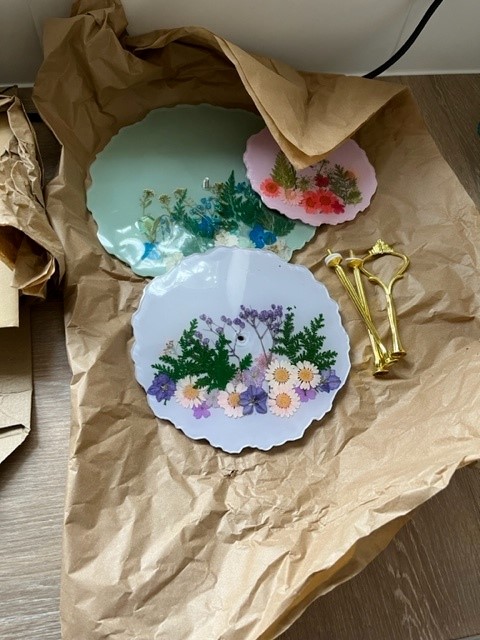
If you love creating resin crafts but don’t always have access to real dried flowers, you might be wondering: Can I use fake flowers in resin?
The good news is yes! You can absolutely use artificial flowers in epoxy resin, and they can be a fantastic alternative to real flowers. Fake flowers are often easier to work with, retain their colour for longer and don’t need drying or preserving before you use them.
However, there are a few things you need to consider before adding artificial flowers to your resin projects. Not all fake flowers are made from the same materials, and some can react differently when submerged in epoxy resin.
In this guide, we’ll explain how to use fake flowers in resin, which types work best, how to prepare them and how to avoid common problems.
Can You Put Fake Flowers in Epoxy Resin?
Yes, you can put fake flowers in epoxy resin.
Artificial flowers made from materials such as silk, polyester, nylon and plastic can generally be embedded in epoxy resin successfully.
Unlike fresh flowers, artificial flowers don’t contain moisture, which means you don’t need to dry them before using them. This makes them particularly useful for beginners who want to create floral resin jewellery, coasters, bookmarks, keyrings and decorative home accessories.
However, it’s important to remember that some artificial flowers contain coatings, dyes, adhesives or other finishes that may react with resin.
Always test a small flower or petal before using it in a larger project.
What Types of Fake Flowers Can You Use in Resin?
There are several different types of artificial flowers you can experiment with when making resin crafts.
1. Silk Flowers
Silk flowers are a popular choice for resin projects because they often have a realistic appearance and delicate petals.
They are particularly useful for:
- Resin jewellery and pendants.
- Decorative coasters.
- Resin bookmarks.
- Floral paperweights.
- Larger decorative resin pieces.
One thing to watch out for is that some silk flowers are treated with dyes or coatings. These may bleed or change appearance when exposed to resin.
2. Plastic Flowers
Plastic flowers are another excellent option.
They are generally more durable than fabric flowers and can be easier to clean and prepare before use.
Small plastic flowers work particularly well in:
- Resin keyrings.
- Resin earrings.
- Trinket dishes.
- Decorative moulds.
Make sure the flowers are completely clean and free from dust before embedding them.
3. Foam Flowers
Foam flowers can also be used in resin, but they require a little more care.
Some foam materials may absorb resin, become darker or lose their original appearance. Others may contain coatings that affect how well the resin adheres.
I recommend testing foam flowers before using them in an important project.
4. Fabric and Polyester Flowers
Artificial flowers made from polyester and other fabrics can produce beautiful results.
However, fabric petals can sometimes absorb resin unevenly, making them appear darker or more translucent.
If you want to retain their original colour and appearance, consider sealing them with a suitable clear sealant before adding them to resin. Always allow the sealant to dry and cure fully according to its instructions.
Do You Need to Prepare Fake Flowers Before Putting Them in Resin?
Although artificial flowers don’t need drying like real flowers, preparing them properly will help you achieve a better finish.
Here are five steps to follow.
Step 1: Choose Your Flowers Carefully
Choose artificial flowers that are clean, dry and free from excessive coatings or glitter.
Look for flowers with colours that you want to preserve and avoid anything that appears to have loose dye or a sticky finish.
Step 2: Remove Dust and Dirt
Artificial flowers can collect dust, particularly if they have been stored for a while.
Use a soft, dry paintbrush to gently remove any dust or debris from the petals.
Avoid washing fabric flowers unless the manufacturer confirms they are washable. Any remaining moisture must be completely removed before using them in resin.
Step 3: Test for Colour Bleeding
This is particularly important if you are using brightly coloured artificial flowers.
Place a small piece of the flower into a little mixed resin in a test mould and allow it to cure fully.
Check whether:
- The colour has transferred into the resin.
- The petals have changed colour.
- The flower has become translucent.
- The material has distorted.
This simple test can save you from ruining a larger project.
Step 4: Consider Sealing the Flowers
Some artificial flowers benefit from being sealed before embedding them in resin.
A suitable clear acrylic spray or compatible sealant may help protect delicate fabric petals and reduce the risk of colour bleeding.
However, sealing isn’t always necessary, particularly with plastic flowers.
Always check that the sealant is compatible with your resin, follow its curing instructions and test the complete combination before starting your main project.
Step 5: Trim the Flowers to Size
Before adding your flowers to a mould, trim away any unnecessary stems, wires or bulky sections.
Think about how the flower will sit inside your mould and whether it needs to be positioned face-up, face-down or at an angle.
Remember that resin can magnify details, so even small imperfections can become noticeable.
How to Put Fake Flowers in Resin: Step-by-Step Guide
Once your artificial flowers are prepared, you’re ready to start creating!
What you’ll need:
- Clear epoxy resin.
- Artificial flowers or petals.
- Silicone resin mould.
- Mixing cups.
- Mixing sticks.
- Gloves and suitable protective equipment.
- A soft paintbrush.
- Tweezers.
- A level working surface.
Step 1: Prepare Your Workspace
Make sure your workspace is clean, level and well ventilated.
Wear the appropriate PPE specified by your resin manufacturer, including suitable chemical-resistant gloves. Follow the manufacturer’s safety instructions throughout the process.
Step 2: Mix Your Epoxy Resin
Measure your resin and hardener carefully, following the manufacturer’s specified mixing ratio.
Mix slowly and thoroughly, scraping the sides and bottom of your mixing cup to ensure both components are combined properly.
Avoid introducing too many air bubbles while mixing.
Step 3: Pour a Base Layer
Pour a thin layer of clear resin into your silicone mould.
This creates a base for your artificial flowers and helps you position them more easily.
Step 4: Position Your Fake Flowers
Using tweezers, carefully position your artificial flowers in the resin.
Think about the composition before placing them. You might want a single flower in the centre or several smaller petals arranged throughout the mould.
If you’re using larger flowers, consider trimming them into smaller sections.
Step 5: Add More Resin
Slowly pour additional resin over the flowers until they are fully covered.
Some artificial flowers may float, particularly if they contain trapped air or are very lightweight.
If this happens, you can use a layering technique:
- Pour a small amount of resin into your mould.
- Position the flowers.
- Allow the resin to thicken slightly, following the manufacturer’s instructions.
- Add another layer of resin to cover the flowers.
Never exceed the maximum pouring depth recommended by your resin manufacturer.
Step 6: Remove Air Bubbles
Check carefully for air bubbles trapped around the petals.
A cocktail stick or fine tool can help release bubbles from around the flower.
Be cautious when using a heat gun or torch, as artificial flowers made from fabric, plastic or foam can melt, scorch or become damaged.
Step 7: Leave to Cure
Cover your project to protect it from dust and leave it to cure according to the resin manufacturer’s instructions.
Avoid moving the mould while the resin is curing.
Once fully cured, carefully remove your creation from the silicone mould.
And there you have it – a beautiful artificial flower resin creation!
Do Fake Flowers Float in Resin?
Yes, fake flowers can float in resin.
This is one of the most common challenges when embedding artificial flowers.
Lightweight fabric and foam flowers can trap air or have enough buoyancy to move towards the surface of the resin.
There are several ways to prevent this:
- Use a thin base layer of resin to help position the flowers.
- Use tweezers to hold flowers in place while positioning them.
- Allow the first layer to thicken slightly before adding another layer.
- Use a cocktail stick to gently release trapped air.
- Work in layers rather than pouring all your resin at once.
For particularly lightweight flowers, a layered pour is usually the easiest solution.
Do Fake Flowers Change Colour in Resin?
They can do!
Although artificial flowers don’t contain the natural moisture found in fresh flowers, they can still change colour when embedded in resin.
This is usually caused by:
- Dyes reacting with the resin.
- Fabric absorbing resin and becoming darker.
- Heat generated during the curing process.
- Protective coatings reacting with resin.
- Poor-quality artificial materials.
The best way to avoid disappointment is to test your flowers before using them in a finished project.
If preserving the original colour is important, choose high-quality artificial flowers with colourfast materials and consider testing a suitable sealant.
Fake Flowers vs Real Dried Flowers in Resin: Which Is Better?
Both artificial and real dried flowers can create beautiful resin projects, but there are some important differences.
| Feature | Fake Flowers | Real Dried Flowers |
|---|---|---|
| Need drying first? | No | Yes |
| Contain natural moisture? | No | Potentially, if not fully dried |
| Colour stability | Depends on dyes and materials | Can fade or change over time |
| Natural appearance | Depends on quality | Naturally realistic |
| Risk of colour bleeding | Possible | Possible |
| Ease of preparation | Generally easier | Requires drying and preparation |
| Best for | Consistent colours and shapes | Preserving natural flowers |
My verdict: If you’re a beginner, artificial flowers can be a great starting point because you don’t need to worry about drying them first.
However, if you want to preserve a special bouquet or create a natural botanical effect, properly dried real flowers may be a better option.
What Can You Make with Fake Flowers and Resin?
There are so many possibilities when it comes to using artificial flowers in resin.
Here are some ideas to inspire your next project:
- Resin coasters: Arrange colourful artificial petals inside clear epoxy resin for decorative coasters.
- Resin jewellery: Use tiny artificial flowers to create pendants, earrings and bracelets.
- Resin bookmarks: Add delicate flowers to clear resin bookmarks for a beautiful handmade gift.
- Resin keyrings: Small artificial flowers work brilliantly in keyring moulds.
- Trinket dishes: Create decorative dishes with colourful floral arrangements.
- Resin paperweights: Preserve a favourite artificial flower in a clear resin block.
- Decorative resin trays: Combine artificial flowers with metallic flakes, glitter or pigments.
You can also experiment with combining artificial flowers with other inclusions such as mica powder, dried petals and decorative foil.
Common Mistakes When Using Fake Flowers in Resin
Even though artificial flowers are relatively easy to work with, there are a few mistakes worth avoiding.
1. Not testing the flowers first
Different materials and dyes can react differently with resin. Always carry out a small test before starting a larger project.
2. Using dirty flowers
Dust and debris can become permanently trapped in your resin. Clean your flowers carefully before use.
3. Adding flowers that are too large
Large artificial flowers can create air pockets and make it difficult to achieve an even resin finish.
4. Pouring too much resin at once
A deep pour can generate excessive heat, potentially damaging artificial flowers. Always follow your resin’s maximum pour depth and temperature guidance.
5. Using too much heat
Artificial flowers can melt or scorch when exposed to excessive heat. Be particularly careful when using heat guns or torches.
6. Not securing lightweight flowers
If your flowers float to the surface, your finished project may not look as planned. Use a layered pouring technique to keep them in position.
Can You Use Fake Flowers in Resin?
Absolutely! Fake flowers are a brilliant alternative to real dried flowers when making epoxy resin crafts.
They are easy to source, don’t need drying and come in an almost endless variety of colours, shapes and sizes.
Whether you’re making resin jewellery, coasters, bookmarks or decorative gifts, artificial flowers can help you create beautiful results.
The most important thing is to choose suitable flowers, prepare them properly and always test them before using them in a finished project.
If you’re new to resin crafting, why not experiment with a few inexpensive artificial flowers and a small silicone mould? You might be surprised by what you can create!
Happy resin crafting!
Frequently Asked Questions About Using Fake Flowers in Resin
Can you use artificial flowers in epoxy resin?
Yes. Artificial flowers made from materials such as polyester, silk, nylon and plastic can generally be embedded in epoxy resin. Always test the flowers first to check for colour bleeding or material changes.
Do you need to dry fake flowers before putting them in resin?
No. Artificial flowers don’t contain the natural moisture found in fresh flowers, so they don’t need drying. However, they should be clean and completely dry before embedding them.
Can you use plastic flowers in resin?
Yes. Plastic flowers are generally suitable for epoxy resin projects. Make sure they are clean and test them first to check that their colour and finish remain stable.
Will fake flowers go mouldy in resin?
Artificial flowers are not susceptible to mould in the same way as natural flowers because they don’t contain organic plant material or moisture. However, any dirt, organic debris or moisture trapped in your project could cause problems.
Do you need to seal artificial flowers before putting them in resin?
Not always. Plastic flowers may not need sealing, but delicate fabric flowers or those with unstable dyes may benefit from a compatible clear sealant. Test before using.
Can you use fake flowers in UV resin?
Yes, you can use small artificial flowers in UV resin. However, UV resin needs sufficient UV light to cure fully. Large or opaque flowers can block UV light and leave resin underneath uncured. Use very thin layers and choose inclusions that allow light to reach the resin.
Why are my fake flowers changing colour in resin?
This can happen because of unstable dyes, fabric absorbing resin, chemical reactions with coatings or heat generated during curing. Testing your flowers before use is the best way to prevent this.
Can you use fake flowers in resin jewellery?
Yes! Small artificial flowers and petals are ideal for resin jewellery, including earrings, pendants and bracelets. Choose flowers that fit comfortably inside your mould without creating large air pockets.
Can you use fake flowers in resin coasters?
Yes. Artificial flowers can look beautiful in resin coasters. Choose relatively flat flowers or petals so that they can be embedded evenly without creating bulky areas.
Can you mix fake flowers and real dried flowers in resin?
Yes. You can combine artificial flowers with properly dried natural flowers to create interesting floral arrangements. Make sure all inclusions are clean, dry and tested for compatibility before pouring.
Always follow the safety instructions, mixing ratios, maximum pour depths and curing guidance provided by your epoxy resin manufacturer.