
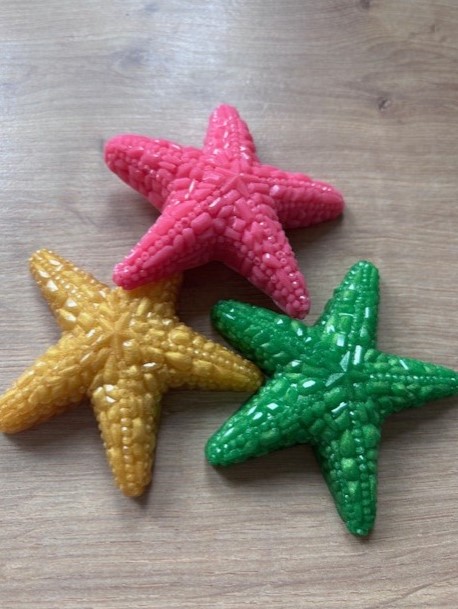
Thinking about turning your craft hobby into a side hustle? Whether you sell resin crafts, handmade jewellery, candles, artwork, personalised gifts or other handmade products, one of the first questions you might have is:
How much money can I make from my craft business before I have to pay tax in the UK?
The answer isn’t quite as simple as “£1,000”.
There is a £1,000 trading allowance, but this doesn’t mean you can necessarily make £1,000 profit on top of your salary without paying tax. Your circumstances, other income and business expenses can all make a difference.
This guide explains the UK tax rules for craft businesses and side hustles for the 2026/27 tax year.
Important: Tax rules can change, and everyone’s circumstances are different. This article is for general information rather than personal tax advice. If you’re unsure about your position, check the latest guidance from HMRC or speak to an accountant.
How much can I earn from a craft side hustle before paying tax?
For the 2026/27 tax year, you can have up to £1,000 of gross trading income under the HMRC Trading Allowance before you generally need to tell HMRC about that trading income.
The tax year runs from:
6 April 2026 to 5 April 2027.
The £1,000 figure refers to your gross income – your total sales before deducting expenses.
For example, if you sell:
- £300 of resin jewellery
- £400 of resin trays
- £200 of personalised gifts
- £100 of other handmade products
your total gross trading income would be £1,000.
HMRC says that if your annual gross trading income is £1,000 or less, you may not have to tell HMRC about it, although there are circumstances where you may still need to complete a Self Assessment tax return.
The £1,000 figure is important – but it isn’t the whole story
The biggest misconception about the trading allowance is that £1,000 is a general tax-free limit for everyone.
It isn’t.
If your craft business makes more than £1,000 in gross income, you generally need to tell HMRC and may need to register for Self Assessment.
However, the amount of Income Tax you actually pay depends on your taxable profits and your other income.
What is the £1,000 Trading Allowance?
The Trading Allowance allows individuals to earn up to £1,000 of gross trading income without normally having to declare that income to HMRC.
It can apply to income from things such as:
- Handmade crafts
- Etsy sales
- Craft fairs
- Facebook Marketplace
- Selling through your own website
- Handmade jewellery
- Resin products
- Art and illustrations
- Personalised gifts
- Casual freelance work
- Other small trading activities
HMRC calls this the £1,000 trading allowance.
Is the £1,000 based on sales or profit?
This is really important.
The £1,000 threshold is based on gross trading income, not profit.
So imagine you sell £1,500 worth of resin products during the year.
You spent £700 on:
- Resin
- Pigments
- Moulds
- Packaging
- Postage
- Other allowable business costs
Your profit might be £800.
But your gross trading income is still £1,500.
Because your gross income is over £1,000, you cannot simply say that you made less than £1,000 and therefore don’t need to tell HMRC.
What happens if I make more than £1,000?
If your gross trading income goes above £1,000 in a tax year, you will generally need to tell HMRC about your income and register for Self Assessment as a sole trader.
But don’t panic!
Making more than £1,000 doesn’t mean you automatically owe £1,000 of tax.
You calculate your taxable profit using either your allowable business expenses or, where appropriate, the £1,000 trading allowance.
You cannot use the £1,000 trading allowance and claim your actual expenses for the same income.
Trading allowance vs actual expenses
There are two important ways of calculating your taxable profit.
Option 1: Use the £1,000 trading allowance
If your gross income is more than £1,000, you may choose to deduct the £1,000 trading allowance instead of claiming your actual allowable expenses.
For example:
Craft sales: £3,000
Trading allowance: £1,000
Taxable profit: £2,000
You wouldn’t then deduct your individual resin, mould, packaging and other business expenses on top of the allowance.
Option 2: Claim your actual business expenses
Alternatively, you can calculate your actual business profit by deducting allowable expenses from your income.
For example:
Craft sales: £3,000
Allowable expenses: £1,800
Taxable profit: £1,200
In this example, claiming actual expenses would be more beneficial than using the £1,000 trading allowance.
HMRC lists expenses such as stock and raw materials, advertising, website costs, insurance, business premises costs and certain travel costs among examples of expenses that may be allowable.
This can be particularly important for resin crafters
If you make resin products, your expenses could include things such as:
- Epoxy resin
- UV resin
- Pigments
- Mica powders
- Silicone moulds
- Gloves and other PPE
- Packaging
- Postage
- Product photography
- Website costs
- Etsy or selling-platform fees
- Advertising
- Business insurance
- Craft fair fees
- Equipment used for the business
Whether a particular cost is allowable depends on the circumstances, so keep good records and check HMRC’s current guidance.
What if I already have a full-time job?
This is where things can become particularly important for craft side hustlers.
If you have a full-time job and also sell handmade products, your craft business doesn’t get its own separate £12,570 tax-free allowance.
The standard Personal Allowance for the 2026/27 tax year is £12,570, but this is generally your overall Personal Allowance rather than £12,570 for your job plus another £12,570 for your craft business.
Your employment income and taxable self-employed profits are considered together when working out your Income Tax position.
Example
Imagine you have a full-time job earning:
£30,000 salary
And your craft business makes:
£3,000 taxable profit
Your total income for tax purposes could be around:
£33,000
You don’t get a second £12,570 allowance just because the £3,000 came from your craft business.
Because the standard basic-rate band for 2026/27 extends up to £50,270 for someone with the standard Personal Allowance, that additional income could generally fall within the 20% basic-rate Income Tax band, assuming you have no other circumstances affecting your tax position.
How much tax might I pay on my craft profits?
There isn’t one answer that applies to everyone.
For the 2026/27 tax year, the standard Income Tax rates in England, Wales and Northern Ireland are:
| Tax band | Income Tax rate |
|---|---|
| Personal Allowance up to £12,570 | 0% |
| Basic rate | 20% |
| Higher rate | 40% |
| Additional rate | 45% |
The higher-rate threshold is effectively £50,270 for someone with the standard £12,570 Personal Allowance.
So if your salary already uses most or all of your Personal Allowance, your craft profits may be taxed at your marginal Income Tax rate.
Example: craft business alongside a job
Let’s say you have:
Salary: £35,000
Craft-business profit: £5,000
Your total income is approximately:
£40,000
Assuming the standard Personal Allowance and no other complications, some or all of that £5,000 craft profit would generally be within the basic-rate band and therefore subject to 20% Income Tax.
That could mean approximately:
£1,000 Income Tax on £5,000 of additional taxable profit.
This is an illustration rather than a personal tax calculation.
Do I have to pay National Insurance on my craft business?
Potentially, yes – but the rules are different from Income Tax.
For 2026/27, self-employed people generally start paying Class 4 National Insurance when their self-employed profits exceed £12,570.
The rate is:
- 6% on profits above £12,570 up to £50,270
- 2% on profits above £50,270
There are also rules around Class 2 National Insurance and your overall circumstances.
If your craft business makes a relatively small profit, you may therefore have Income Tax to consider without having Class 4 National Insurance to pay.
Do I need to register as self-employed?
If your gross trading income is more than £1,000 in a tax year, you generally need to register for Self Assessment as a sole trader and tell HMRC about your income.
If your gross trading income is £1,000 or less, you may not need to register, although there are exceptions.
Even if you don’t need to register, it’s a very good idea to keep records of:
- Sales
- Expenses
- Receipts
- Invoices
- Craft fair income
- Online sales
- Platform fees
- Postage
- Materials
Good record keeping makes life much easier if your side hustle grows.
What if I sell on Etsy?
Selling through Etsy doesn’t mean the income is automatically tax-free.
Your Etsy sales are still trading income.
The same basic principles apply whether you sell through:
- Etsy
- Your own website
- Craft fairs
- Markets
- Local shops
- Word of mouth
- Other online marketplaces
You should keep records of your sales and relevant business expenses.
What about selling things I already own?
Not everything you sell online is automatically treated as a business.
There is an important distinction between occasionally selling your own unwanted belongings and making or buying products with the intention of selling them for profit.
For example:
Selling an old vase from your home: generally different from running a craft business.
Making resin coasters specifically to sell: trading activity.
Buying craft supplies specifically to make products for customers: business activity.
If you regularly make products with the intention of selling them for profit, you should consider whether you’re carrying on a trade.
When do I need to register for VAT?
VAT is a completely separate issue from the £1,000 trading allowance.
For the current 2026/27 tax year, the VAT registration threshold is £90,000 of taxable turnover. You generally have to register if your taxable turnover goes over £90,000 in the relevant 12-month period, or if you expect it to exceed £90,000 in the next 30 days.
So a small craft business making £2,000, £5,000 or even £20,000 a year generally isn’t going to hit the compulsory VAT registration threshold simply because it is a craft business.
A simple example for a resin craft side hustle
Let’s say you start selling handmade resin products.
During the tax year you sell:
£4,000 of products
You spend:
- £800 on resin and pigments
- £250 on moulds and equipment
- £200 on packaging
- £150 on postage
- £100 on advertising
Total expenses:
£1,500
Your approximate profit is:
£4,000 – £1,500 = £2,500
If you choose to use actual allowable expenses, your taxable trading profit could therefore be around £2,500.
If you already have a job, that £2,500 could be added to your other taxable income and taxed according to your circumstances.
What if my craft business makes a loss?
Don’t assume that every year has to be profitable.
You might spend money setting up your craft business before making many sales.
For example:
Sales: £1,500
Allowable expenses: £2,000
That could result in a £500 trading loss.
There are specific rules about how trading losses can be used, so this is an area where professional advice can be useful.
The trading allowance may not always be the best option if your business is making a loss. HMRC specifically notes that using actual expenses can be preferable in some circumstances.
What should I do when my craft side hustle starts making money?
If you’re serious about turning your craft hobby into a business, start keeping records from day one.
I’d recommend creating a simple spreadsheet with columns for:
| Date | Sale | Income | Materials | Postage | Fees | Other expenses | Profit |
|---|
Keep copies of your receipts and invoices too.
This is particularly useful for resin businesses because you can quickly accumulate lots of small expenses – resin, pigments, moulds, gloves, packaging, sanding equipment and other consumables.
Craft side hustle tax checklist
Before your craft business starts taking off, make sure you:
✔ Keep track of every sale
✔ Keep receipts for business expenses
✔ Know your total gross trading income
✔ Remember that £1,000 refers to gross income, not profit
✔ Check whether the Trading Allowance or actual expenses are more beneficial
✔ Consider whether you need to register for Self Assessment
✔ Keep your business money and personal spending organised
✔ Put money aside for your tax bill
✔ Check the latest HMRC rules each tax year
✔ Consider speaking to an accountant if your business grows
So, how much can I make from my craft side hustle before paying tax?
The short answer is:
£1,000 of gross trading income is the key HMRC trading allowance threshold.
If your gross craft-business income is £1,000 or less in a tax year, you will not normally need to tell HMRC about it, although exceptions can apply.
Once your gross income goes over £1,000, you will generally need to tell HMRC and may need to register for Self Assessment.
But £1,000 is not the same thing as the amount you can earn completely tax-free.
If you’re already employed, your craft-business profit can be added to your other taxable income, meaning you could have Income Tax to pay on your craft profits even if the business makes only a few thousand pounds.
The good news is that you don’t pay tax on your sales themselves. Tax is generally based on your taxable profit after allowable expenses, or you can potentially use the £1,000 trading allowance instead of claiming actual expenses.
Frequently Asked Questions
Do I have to pay tax if I make £1,000 selling crafts?
If your gross trading income is £1,000 or less, the trading allowance may mean you don’t have to tell HMRC about that trading income. However, there are exceptions, so check your circumstances.
Can I sell crafts without registering as a business?
You may be able to earn up to £1,000 of gross trading income without registering for Self Assessment, depending on your circumstances. If your gross trading income goes above £1,000, you will generally need to register and declare the income.
Is the £1,000 threshold based on profit?
No. The £1,000 trading allowance threshold is based on gross trading income, meaning your total sales before expenses.
If I make £5,000 from crafts, how much tax will I pay?
It depends on your taxable profit and your other income. If you already have a job, your craft profit is generally considered alongside your employment income, so the amount of tax you pay depends on your overall tax position.
Can I deduct resin and craft supplies from my income?
Potentially, yes. HMRC allows certain business expenses to be deducted when calculating taxable profit. Examples include stock and raw materials.
Do I pay National Insurance on my craft business?
You may. For 2026/27, Class 4 National Insurance generally applies when self-employed profits exceed £12,570.
Do I need to pay VAT if I sell crafts?
Not normally unless your taxable turnover reaches the VAT registration threshold. For 2026/27, that threshold is £90,000.
Final thought
Starting a craft side hustle doesn’t mean you suddenly need to become a tax expert.
The most important thing is to keep accurate records from the beginning. Knowing how much you’re selling, what you’re spending and what your actual profit is will make it much easier to understand when your hobby becomes a genuine business.
And if you’re making and selling resin crafts, remember that the £1,000 figure is based on your total sales – not the amount of money you have left after buying your resin and supplies.
For the latest rules, always check the official HMRC guidance before making decisions about your business.