
How to Make Your Own Resin Pigment Paste: A Complete DIY Guide
Have you ever wanted to create your own custom resin colors? Making your own resin pigment paste is an easy and cost-effective way to achieve unique shades that aren’t available in pre-made products. Whether you’re creating resin coasters, river tables, jewelry or artwork, homemade pigment paste gives you complete control over color intensity and consistency.
In this guide, we’ll show you exactly how to make resin pigment paste, what ingredients you’ll need, common mistakes to avoid, and answer the most frequently asked questions from beginner resin artists.
What Is Resin Pigment Paste?
Resin pigment paste is a highly concentrated colourant made by mixing powdered pigments with a resin-compatible carrier. Unlike liquid dyes, pigment pastes produce rich, opaque colours without significantly changing the consistency of your epoxy resin.
Pigment pastes are ideal for creating:
- Opaque resin coasters
- River tables
- Resin trays
- Resin jewellery
- Geode art
- Decorative home décor
- Moulded resin pieces
Because they are highly concentrated, only a small amount is needed to colour your resin.
Can You Make Your Own Resin Pigment Paste?
Yes!
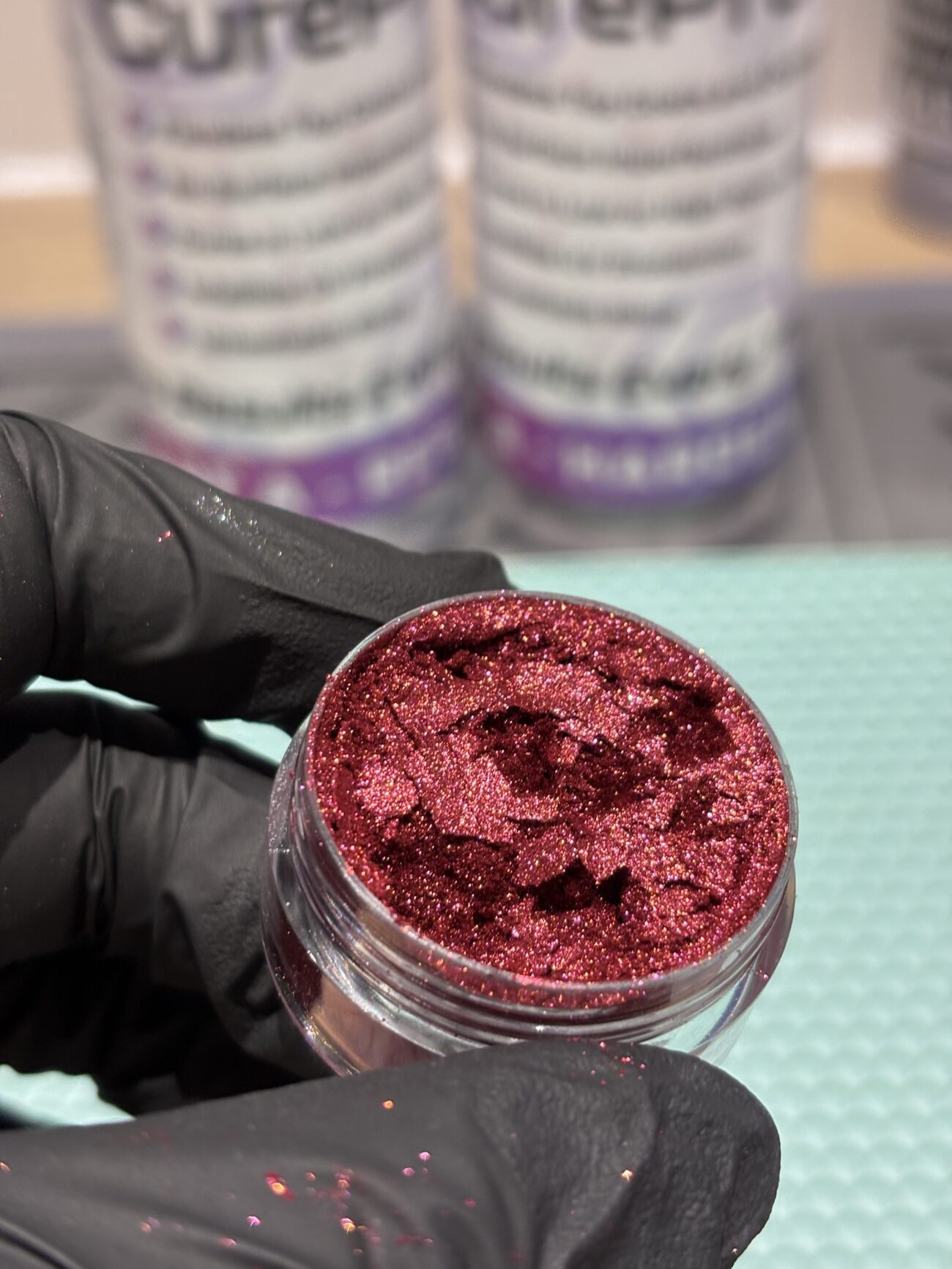
Many resin artists make their own pigment pastes using mica powders or dry pigments mixed with a suitable liquid binder. This allows you to:
- Create custom colours
- Save money
- Mix unique metallic finishes
- Produce small batches when needed
- Control colour intensity
The key is choosing ingredients that are compatible with epoxy resin.
What You’ll Need
To make homemade resin pigment paste, gather the following materials:
Ingredients
- Fine mica powder or cosmetic-grade pigment powder
- Epoxy resin (Part A resin only)
- Optional: Titanium dioxide for pastel or opaque colours
- Optional: Black iron oxide to deepen colors
Equipment
- Mixing cups
- Silicone spatula
- Digital scales
- Disposable gloves
- Dust mask (recommended when handling powdered pigments)
- Small airtight storage pots
How to Make Resin Pigment Paste
Step 1: Measure Your Pigment
Start by adding your mica powder to a clean mixing cup.
For a small batch, use approximately:
- 2 teaspoons mica powder
- 1 teaspoon resin carrier
You can adjust this depending on how thick you want your paste.
Step 2: Add the Binder
Slowly add your pigment to a small amount of Epoxy Resin Part A ONLY (the resin component). Keep in mind that this means the stored paste contains uncured resin and should be handled carefully. Some artists instead use commercially available resin pigment dispersion media designed specifically for making pigment pastes.
Step 3: Mix Thoroughly
Stir slowly until all the powder is incorporated.
Continue mixing until the paste becomes:
- Smooth
- Creamy
- Lump-free
- Glossy
If the mixture feels too thick, add a few drops more part A.
If it’s too runny, gradually add more pigment powder.
Step 4: Test the Colour
Before colouring a large resin project, test a small amount.
Mix a tiny quantity of pigment paste into freshly mixed epoxy resin.
This allows you to check:
- Colour strength
- Opacity
- Compatibility
- Finish
Adjust the recipe if needed.
Step 5: Store Correctly
Transfer the finished pigment paste into airtight containers.
Store:
- Away from sunlight
- In a cool, dry location
- With clearly labelled colours
If your paste uses uncured epoxy resin as the binder, remember it has a limited shelf life and should be kept sealed to reduce contamination.
How Much Pigment Paste Should You Add to Resin?
Most epoxy resin manufacturers recommend using no more than around 5–10% pigment by weight, although the exact maximum varies by brand.
Adding too much pigment can:
- Slow curing
- Leave soft spots
- Reduce strength
- Affect clarity
Always check the guidance supplied with your specific resin.
Tips for Better Homemade Pigment Paste
✔ Use cosmetic-grade or resin-safe mica powders.
✔ Wear a dust mask when handling fine powders.
✔ Mix slowly to reduce trapped air.
✔ Keep water away from your pigments.
✔ Test every new colour before using it in a large project.
✔ Record your recipes so you can recreate favourite colours.
Common Mistakes to Avoid
Using Too Much Pigment
Excess pigment may prevent resin from curing properly.
Using Craft Paint
Most acrylic paints contain water and fillers that can affect some resin systems. Use products specifically recommended for resin where possible.
Poor Mixing
Any lumps left in the paste may appear as streaks in the finished piece.
Moisture Contamination
Always use dry equipment and keep pigments sealed when not in use.
Frequently Asked Questions
Can I make resin pigment paste with mica powder?
Yes. Mica powder is one of the most popular ingredients for homemade resin pigment paste because it produces vibrant, shimmering colours.
Is homemade pigment paste as good as shop-bought?
For many resin projects, homemade pigment paste works extremely well. Commercial pigment pastes may offer more consistent color matching and longer shelf life.
Can I use acrylic paint instead?
While some resin artists use acrylic paint in small amounts, it isn’t generally recommended because the added water and fillers may affect curing and the finished appearance.
How long does homemade pigment paste last?
Shelf life depends on the ingredients used. Pastes made with uncured epoxy resin as the binder should be stored in airtight containers and used within the time frame recommended by the resin manufacturer. Always inspect for changes in texture or contamination before use.
Can I mix different mica powders together?
Yes. Mixing mica powders is one of the easiest ways to create custom colours and unique metallic effects.