
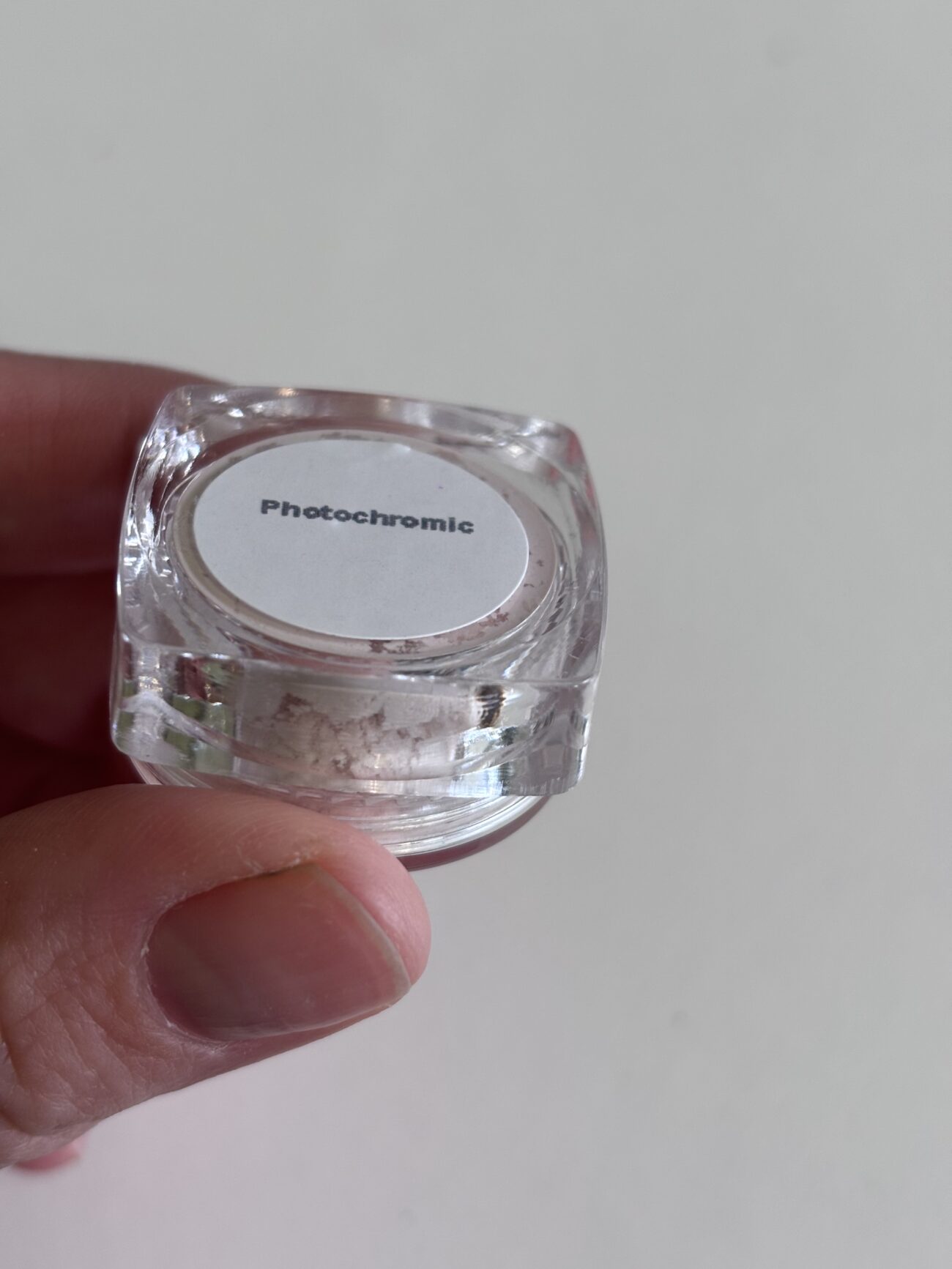
If you want to create resin projects that change colour in sunlight, photochromic powder could be the perfect pigment for your next craft project. This specialist colour-changing powder reacts to ultraviolet light, allowing resin artwork, jewellery and decorative pieces to transform when exposed to the sun.
In this guide, we explain what photochromic powder is, how it works, how to use it in resin and the important things to consider before adding it to your project.
Photochromic powder is a colour-changing pigment that reacts to UV light.
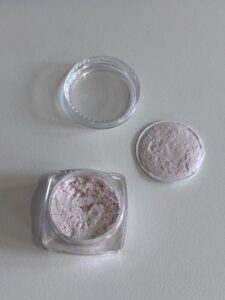
Photochromic powder, sometimes called UV colour-changing powder or photosensitive pigment, is a pigment that changes colour when exposed to ultraviolet light.
Get 15% off Photochromic powder from Resin D’Etre Supplies with code RESIN15
In its inactive state, the powder may appear white, pale or almost colourless. When exposed to sunlight or a suitable UV light source, it develops a stronger colour. When the UV light is removed, the colour gradually fades back towards its original state.
This colour change is reversible, meaning the pigment can switch between its inactive and activated colours many times. The process is known as photochromism.
How does photochromic powder work?
Photochromic pigments contain light-sensitive compounds that respond to specific wavelengths of light, usually ultraviolet light.
When the pigment is exposed to UV radiation:
- The UV light activates the photosensitive molecules.
- The molecules change structure.
- The pigment begins to absorb and reflect light differently.
- A visible colour appears.
When the UV light is removed, the molecules gradually return to their original state and the colour fades.
The exact speed of the colour change depends on the pigment, the intensity of the UV light, the thickness of the resin and the surrounding temperature. Some pigments change almost immediately, while others take longer to develop or fade.
What colour does photochromic powder change to?
Photochromic powder is available in a variety of colours.
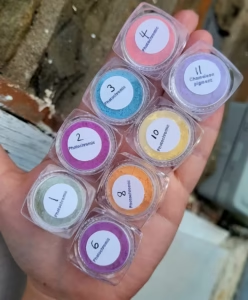
Some powders appear almost colourless indoors and develop a bright colour outdoors. Others change from one visible colour to another.
The final result depends on the specific pigment and the colour of the resin beneath it. For the strongest colour-changing effect, photochromic powder usually works best in clear, white or very pale resin.
Photo from Resin D’Etre Supplies.
Is photochromic powder the same as glow-in-the-dark powder?
No. Photochromic powder and glow-in-the-dark powder work in different ways.
Photochromic powder
- Reacts to UV light.
- Changes colour in sunlight or under a UV lamp.
- Usually fades when UV light is removed.
- Does not normally glow in darkness.
Glow-in-the-dark powder
- Absorbs and stores light energy.
- Releases that energy slowly in darkness.
- Produces a glowing effect after exposure to light.
- Does not usually change colour in sunlight in the same way as photochromic pigment.
Photochromic powder is best for creating a sunlight-activated colour change, while glow-in-the-dark powder is designed to create a light-emitting effect in darkness.
Can you use photochromic powder in epoxy resin?
Yes, photochromic powder can be used in some epoxy resin projects, but it is important to choose a pigment that is specifically suitable for resin or other non-water-based systems.
Photochromic powders are often designed for use in epoxy, inks, coatings and plastics, while others may require a particular solvent or medium to work correctly. Always check the manufacturer’s instructions before mixing the powder into resin.
Not every photochromic powder is compatible with every type of resin. Using the wrong product could result in:
- Weak or uneven colour change
- Poor dispersion
- Clumping
- Reduced colour intensity
- Pigment settling
- Loss of the photochromic effect
How to use photochromic powder in resin
1. Choose a compatible resin
Use a resin that is suitable for the type of project you are making. A clear epoxy resin is often a good choice because it allows the colour-changing pigment to be seen clearly.
Check that the pigment is suitable for epoxy resin before starting.
2. Measure your resin accurately
Measure the resin and hardener according to the manufacturer’s recommended mixing ratio. Incorrect measurements can prevent the resin from curing properly.
3. Mix the resin thoroughly
Combine the resin and hardener slowly, scraping the sides and bottom of the mixing cup. Avoid vigorous mixing, as this can introduce air bubbles.
4. Add a small amount of photochromic powder
Start with a small quantity of pigment. Add more gradually if needed, rather than adding too much at the beginning.
The correct amount will depend on the brand, colour and strength of the pigment. Too much powder may make the resin cloudy, affect its flow or reduce the amount of light reaching the pigment.
5. Mix until evenly distributed
Stir the powder into the resin until the colour is evenly dispersed. Avoid overmixing, especially if the pigment is microencapsulated and the supplier warns against high-shear mixing.
6. Pour your resin project
Pour the resin into your mould or onto your prepared surface. Remove any bubbles using your usual resin-working method, following the safety instructions for your resin.
7. Allow the resin to cure
Leave the project to cure for the full time recommended by the resin manufacturer. Do not expose the project to excessive heat unless the resin instructions specifically allow it.
Can photochromic powder be used with UV resin?
Photochromic powder may be used with some UV resin products, but extra care is needed.
UV resin cures when exposed to ultraviolet light. Photochromic pigment also reacts to UV light, so the curing process may activate the pigment before the project is finished.
This does not automatically mean the combination will fail, but it can make the colour-changing effect more difficult to assess. The pigment may also interfere with how deeply the UV light penetrates the resin, particularly if too much powder is added.
If you want to use photochromic powder with UV resin:
- Check that the pigment is specifically recommended for UV resin.
- Use a small test batch first.
- Avoid adding too much pigment.
- Make sure the resin can still cure fully.
- Follow the pigment and resin manufacturer’s instructions carefully.
For beginners, a clear two-part epoxy resin may be easier to work with when experimenting with colour-changing pigments.
How can you test photochromic resin?
The easiest way to test photochromic resin is to place it in direct sunlight.
Try the following:
- Look at the cured resin indoors and note its original colour.
- Place it in sunlight for a few seconds.
- Observe how the colour develops.
- Move it back indoors or into the shade.
- Watch the colour fade.
What resin projects can you make with photochromic powder?
Photochromic pigment can be used to create unusual and interactive resin projects, including:
- Resin jewellery
- Pendants and earrings
- Keyrings
- Bookmarks
- Coasters
- Phone charms
- Hair accessories
- Decorative trays
- Resin artwork
- Trinket dishes
- Personalised gifts
- Seasonal decorations
- Hidden-message projects
- Sunlight-reactive garden decorations
It can also be combined with other pigments to create a project that changes from a subtle indoor colour to a much brighter outdoor shade.
Tips for getting the best colour-changing effect
Use a light-coloured background
Photochromic pigments are generally more noticeable in clear or pale resin. Dark colours can reduce the visibility of the colour change.
Avoid using too much pigment
A heavy concentration of powder may block UV light from reaching the particles underneath. Start with a small amount and test the result before making a larger project.
Make a sample first
Different brands and colours can behave differently. Create a small test piece before using the pigment in an important project.
Protect the powder from UV light before use
Keep unused photochromic powder in a cool, dry and dark place. Prolonged exposure to UV light can reduce its performance over time.
Check the temperature limits
Some photochromic pigments can lose their activated colour when exposed to heat. The temperature at which this happens varies between products, so always check the technical information supplied by the manufacturer.
Is photochromic powder safe to use in resin?
Photochromic powder should be treated as a craft chemical pigment and handled carefully.
Always:
- Read the product safety information.
- Avoid breathing in loose powder.
- Wear suitable gloves and eye protection.
- Work in a well-ventilated area.
- Keep pigment away from children and pets.
- Avoid using it on items that will come into direct contact with food unless the complete product system has been specifically certified for that use.
A pigment being described as non-toxic by a supplier does not automatically mean that every finished resin item is food safe, skin safe or suitable for use with children. The safety of the finished project depends on the pigment, resin, concentration and intended use.
Photochromic powder vs thermochromic powder
Photochromic and thermochromic powders are both colour-changing pigments, but they respond to different triggers.
| Pigment | Reacts to | Typical example |
|---|---|---|
| Photochromic powder | UV light | Resin that changes colour in sunlight |
| Thermochromic powder | Temperature | Resin that changes colour when warmed |
| Glow-in-the-dark powder | Light exposure followed by darkness | Resin that glows at night |
If you want a resin project to react to sunlight, choose photochromic powder. If you want it to react to warmth or touch, thermochromic powder may be more suitable.
Frequently asked questions
Does photochromic powder work in sunlight?
Yes. Photochromic powder is designed to react to UV radiation, which is present in sunlight. The colour normally becomes stronger when the pigment is exposed to sunlight and fades when the UV light is removed.
Does photochromic powder work indoors?
It may work indoors if it is exposed to a suitable UV light source. However, ordinary indoor lighting may not contain enough UV radiation to activate the pigment effectively.
Does photochromic powder change colour permanently?
No. Most photochromic pigments are designed to change colour reversibly. They normally return towards their original colour when the UV light is removed.
Can I mix photochromic powder with mica powder?
You can experiment with combining pigments, but adding other powders may reduce the strength of the colour-changing effect. Test the combination in a small batch before using it in a larger project.
Why is my photochromic resin not changing colour?
Possible reasons include:
- The pigment is not compatible with your resin.
- The pigment concentration is too low.
- The resin is too dark or opaque.
- The project is not receiving enough UV light.
- The powder has been exposed to too much UV light during storage.
- The pigment has passed its useful life.
- The resin has not cured correctly.
- The pigment has been mixed too aggressively or incorrectly.
How long does photochromic powder last?
The lifespan depends on the pigment quality, storage conditions, UV exposure, humidity and the resin formulation. Store unused powder away from light, heat and moisture, and avoid unnecessary exposure to UV light.
Final thoughts
Photochromic powder is a fun and unusual pigment that allows resin projects to change colour when exposed to sunlight or UV light. It is ideal for creating interactive jewellery, gifts, decorations and artwork with a surprise effect.
For the best results, choose a resin-compatible pigment, use a small amount, test it before starting your main project and protect the powder from excessive UV exposure. With the right combination of resin and pigment, you can create pieces that look subtle indoors and transform into bright, colourful designs outdoors.
More helpful topics