
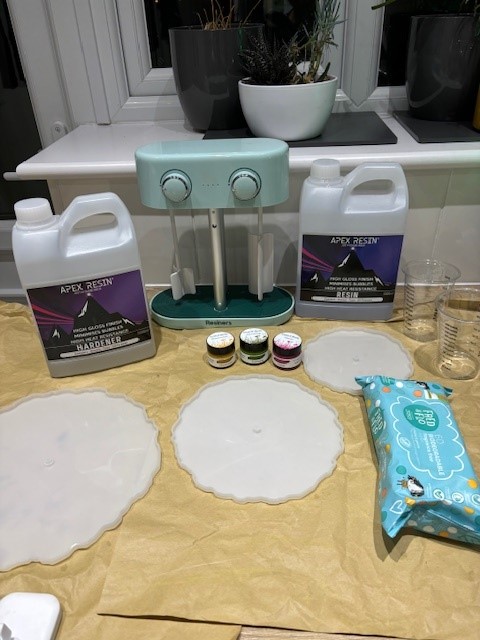
Epoxy resin has taken the crafting world by storm, allowing makers to create stunning jewelry, coasters, keychains, artwork, home décor, and countless other projects. Its glossy finish, durability, and versatility make it a favorite among beginners and experienced artists alike.
However, if you’re new to resin crafting, there are a few important things you should know before mixing your first batch. Understanding the basics can save you time, money, and frustration while helping you achieve professional-looking results from the start.
Here are 10 essential things every beginner should know before crafting with epoxy resin.
1. Not All Epoxy Resins Are the Same
One of the biggest mistakes beginners make is assuming all epoxy resins work the same way.
Different formulations are designed for different applications, including:
- Jewelry making
- Coasters and crafts
- Tumblers
- Art projects
- Deep pours
- River tables
- Coatings and sealants
Always choose a resin specifically designed for your project. Using the wrong type can lead to curing issues, excessive bubbles, or poor results.
2. Accurate Measuring Is Critical
Epoxy resin requires precise mixing ratios between the resin and hardener.
Even a small measuring error can result in:
- Sticky surfaces
- Soft spots
- Incomplete curing
- Cloudy finishes
Always follow the manufacturer’s instructions carefully and use measuring cups designed for resin work.
Remember: resin chemistry depends on accuracy.
3. Mixing Thoroughly Matters
Many curing problems occur because the resin wasn’t mixed properly.
When mixing:
- Stir slowly and steadily
- Scrape the sides of the cup
- Scrape the bottom of the cup
- Mix for the recommended time
Incomplete mixing can leave uncured resin throughout your project, even if the measurements were correct.
4. Temperature Affects Everything
Epoxy resin performs best within a specific temperature range, typically between 20°C and 25°C (68°F to 77°F).
Cold conditions may cause:
- Thick resin
- More bubbles
- Longer cure times
- Cloudy finishes
Excessive heat can cause:
- Rapid curing
- Overheating
- Cracking
- Yellowing
Apex Resin’s Cure Pro Epoxy Resin is formulated to work in any temperature. Check out our review and get your discount code here.
5. Bubbles Are Normal
Almost every beginner encounters bubbles when working with resin.
Bubbles can form from:
- Mixing
- Pouring
- Porous materials
- Trapped air in molds
Fortunately, there are several ways to reduce them:
- Mix slowly
- Warm resin bottles before use
- Use a heat gun or torch carefully
- Seal porous materials before embedding
With practice, bubble control becomes much easier.
6. Safety Should Always Come First
Although epoxy resin is widely used by crafters, it should always be handled responsibly.
Important safety measures include:
- Wearing nitrile gloves
- Working in a well-ventilated area
- Protecting work surfaces
- Avoiding skin contact
- Following manufacturer safety guidelines
Creating a safe workspace helps ensure a positive crafting experience.
7. Patience Is Essential
Many beginners rush the curing process and end up damaging their projects.
Depending on the resin used:
- Initial cure may take 12–24 hours
- Full cure can take several days
Avoid touching, moving, or demolding your project too early.
Patience often makes the difference between a professional-looking piece and a disappointing result.
8. Silicone Molds Make Life Easier
Silicone molds are one of the best investments for new resin crafters.
Benefits include:
- Easy demolding
- Flexible design options
- Reusability
- Smooth surface finishes
Popular beginner projects include:
- Keychains
- Coasters
- Jewelry
- Bookmarks
- Trinket trays
Starting with quality molds helps build confidence and improve results.
9. Not Everything Can Be Embedded in Resin
Resin allows you to preserve a wide variety of decorative items, but some materials require preparation before use.
Items commonly used in resin include:
- Glitter
- Mica powders
- Dried flowers
- Foils
- Beads
- Small charms
Materials containing moisture, such as fresh flowers or leaves, should be properly dried first. Moisture can cause discoloration, bubbles, and curing problems.
Always test unfamiliar materials before using them in important projects.
10. Practice Before Attempting Large Projects
It’s tempting to jump straight into ambitious projects, but starting small helps you learn the fundamentals.
Begin with simple items such as:
- Keychains
- Earrings
- Pendants
- Small coasters
These projects allow you to practice:
- Measuring
- Mixing
- Coloring
- Bubble removal
- Demolding
As your confidence grows, you’ll be better prepared for larger and more complex resin creations.
Happy crafting!